
How To Plan A Wedding Ceremony Order
Planning a wedding ceremony order is about sequencing the key moments—processional, readings, vows, ring exchange, pronouncement, and recessional—so the event feels meaningful and flows smoothly. This guide provides a practical framework for arranging these elements, with tips for personalization, coordination with your officiant, and troubleshooting common issues. It helps you create a timeline that works for your venue, guests, and personal style, ensuring every part of the ceremony is intentional and memorable.
Fast Answer
- First, decide on the overall flow: processional, welcome, readings, vows, ring exchange, pronouncement, and recessional. This standard order is flexible, so you can add or move elements to suit your preferences.
- Create a written order of events and share it with your officiant, wedding party, and vendors. Review it together to confirm timing and logistics, then practice the sequence at the rehearsal.
Before You Start
- Meet with your officiant early to discuss your ceremony structure and any religious or cultural traditions you want to include. Confirm their guidance on the legal or customary parts, but remember the final order is yours to shape.
- List the specific moments you want in your ceremony, such as readings, musical performances, unity rituals, or personal vows. Mark which parts are essential and which are optional, so you can build your order around what means most to you.
- Consult your venue coordinator or planner about any specific requirements for the ceremony space, such as where the processional will start, how the seating is arranged, and whether there are any restrictions on music or decor. This ensures your order fits the physical space.
- Talk with your wedding party, readers, and musicians about their availability and any cues they need. Gather their contact details and schedule a rehearsal so each person knows their role and when to move or speak.
Step-by-Step Instructions
Plan the Processional Sequence
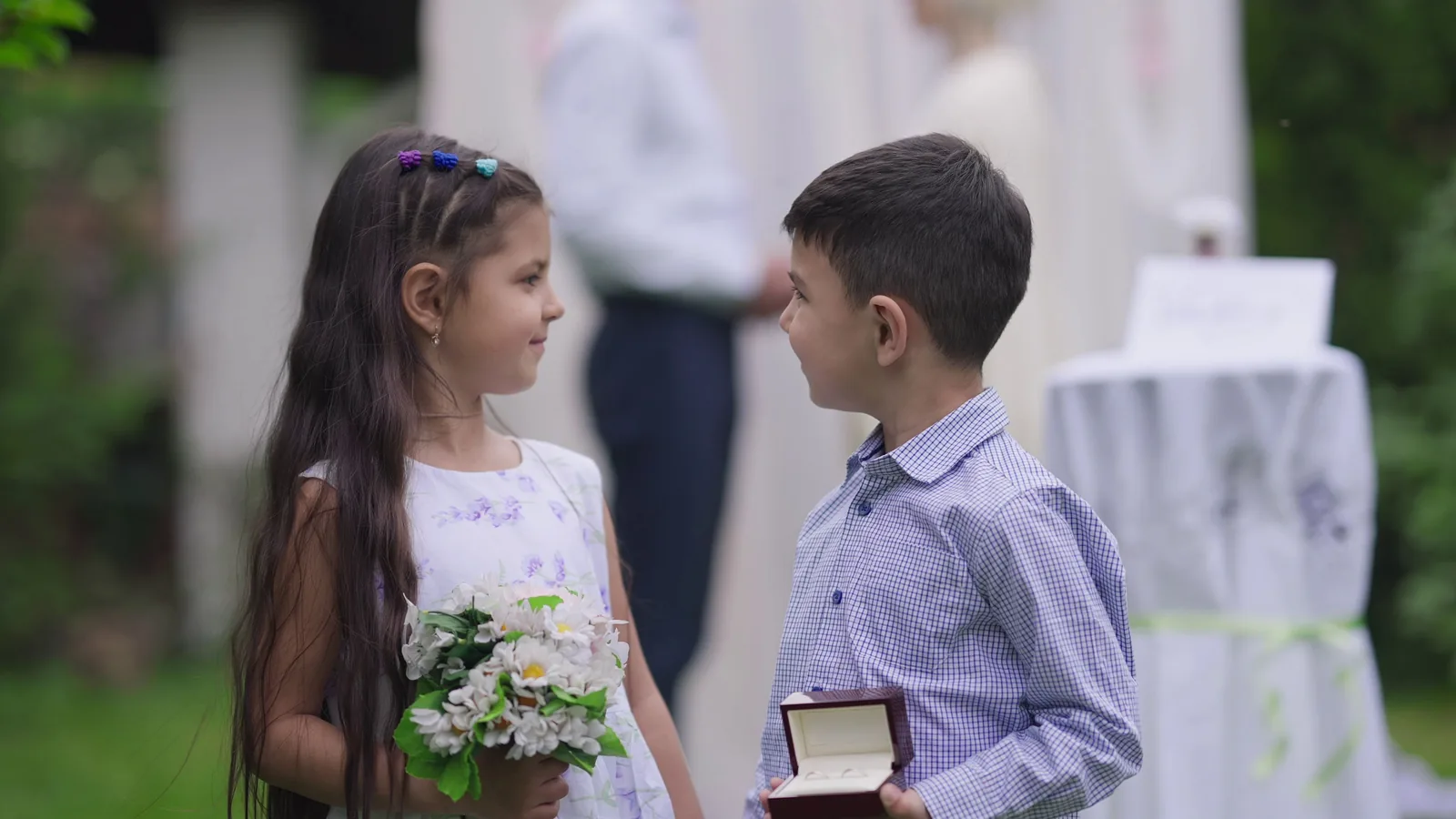
Start by deciding who will walk down the aisle and in what order. A typical processional begins with grandparents and parents, then the wedding party, followed by the ring bearer and flower child, and finally the person of honor entering last. You can adapt this to your situation—for example, both partners might walk together, or you might choose to have a close family member escort you. The key is to pick an order that feels comfortable and respectful to everyone involved. Write out the exact sequence, listing each person and their paired escort if any. Consider the length of your aisle and the tempo of the music you choose, so you can time the processional so that no one is left waiting at the altar. A practical check is to walk the actual route during your rehearsal to see if the order works physically. This matters because a smooth processional sets the tone for the entire ceremony and prevents awkward pauses.
Include a Welcoming and Opening Words
After everyone is in place, your officiant will offer a welcoming statement to the guests. This is a moment to set the tone—whether that is warm and casual or solemn and formal. The welcoming can include a brief introduction of the couple, a note about the significance of the day, or a short reading. It is also the time to invite guests to be present and to thank them for coming. Keep this part concise, aimed at about two to three minutes, so the ceremony does not drag. A practical check is to have your officiant write out the welcoming remarks and review them with you before the wedding to ensure they match your desired tone. This matters because a clear, well-delivered welcome helps guests feel included and focuses their attention on the ceremony from the very start.
Arrange Readings and Music
Decide which readings, poems, or musical performances you want to include, and place them after the welcoming or after the vows, depending on your preference. If you choose multiple readings, space them out to avoid a block of talking. Coordinate with your readers and musicians on the exact order and any introductions needed. For music, determine whether you want a song during a unity ritual or as an interlude. The practical check is to provide a clear program to each participant, listing the order and their cue to start. This matters because a well-timed reading or song can stir emotion and add depth, but a misstep in order or timing can disrupt the flow and create confusion.
Exchange Vows and Rings
The exchange of vows is the heart of the ceremony. You can choose to recite traditional vows, write your own, or do a combination. Your officiant will typically prompt you with a question, and you will each respond. After the vows, comes the ring exchange. The officiant may explain the symbolism of the rings, then ask for the rings and guide you to place them on each other's fingers. You can also add a ritual, like lighting a candle or sand ceremony, at this point. The practical check is to have your vows and rings ready in a specific place, such as with the best man or maid of honor, so there is no fumbling. This matters because the vows and rings are the literal promises you are making, and a smooth exchange reinforces the sincerity of the moment.
Scheduling the Pronouncement and Closing
After the rings, the officiant will pronounce you married, typically saying a phrase like 'I now pronounce you married.' This is the moment the union is legally recognized and often includes a declaration to the guests. Following the pronouncement, you may choose to have a unity candle lighting, a final song, or a blessing. Then, the officiant will close the ceremony with a few words, such as a blessing or a phrase like 'You may kiss.' This is also the time to thank the guests again and invite them to the reception. The practical check is to rehearse this segment so that the officiant’s words flow directly into your exit. This matters because a clear closing gives a sense of completion and signals to guests that the ceremony is over, and they can begin to applaud or move, making the transition to the recessional smooth.
Plan the Recessional and Exit
The recessional is the joyous exit you and your wedding party make down the aisle, usually in reverse order of the processional. Decide who walks out first: typically the newly married couple leads, followed by the parents and grandparents, then the wedding party in pairs. Choose upbeat music to match the celebratory mood. The practical check is to coordinate with your photographer or videographer to capture the exit, and to ensure the aisle is clear of any debris or decor so no one trips. This matters because the recessional is the final impression guests have of the ceremony, and a well-paced exit sets a happy tone for the reception and gives guests a clear signal to stand and applaud.
Quick Reference
| Situation | Action | Why it helps |
|---|---|---|
| You realize your ceremony order has the ring exchange before the vows, but your officiant says that is not legally correct in your area. | Stop and ask your officiant to clarify the required order of the legal parts. Most jurisdictions require the exchange of vows to happen before the ring exchange, but to be safe, follow the specific instructions your officiant provides based on your local laws. | The legal wording and timing of vows and rings can vary by location, and getting it wrong could delay your marriage certificate. Your officiant is the best resource to confirm the correct sequence. |
| A reader for your ceremony arrives late and cannot do their reading at the scheduled time. | Have a backup plan in place: ask another wedding guest or a member of the wedding party to step in, and let your officiant know so they can adjust the order. You can also move the reading to later in the ceremony, such as after the vows, if the reader arrives in time. | A small delay in the ceremony can be handled gracefully if you have a flexible order and a willing substitute. Keeping the flow going prevents uncomfortable pauses and ensures your ceremony stays on track. |
| You want to include a unity ritual, like a sand ceremony, but you are worried it might extend the ceremony too long. | Keep the ritual short by having all materials prepared beforehand and a designated person to assist. Practice the steps during your rehearsal so the ritual takes no more than two minutes. If you have many rituals, consider cutting some or moving them to the reception to maintain a pace of about 20-30 minutes for the ceremony. | A concise ritual adds meaning without making the ceremony drag, keeping guests engaged and respecting their time. A well-practiced ritual also reduces the risk of mistakes that could cause embarrassment or confusion. |
Common Issues
- The processional is too long and the music ends before everyone reaches the front.: Shorten the number of people in the processional or have them walk in pairs. Choose a longer piece of music or extend the musical loop. Rehearse the processional to time it accurately, and consider having the officiant gesture for the music to start when the last person begins walking.
- The officiant forgets to announce the couple's wedding party or introduces them in the wrong order.: Provide the officiant with a detailed, numbered list of the wedding party members and their correct names and titles. Review the list together at the rehearsal and ask the officiant to keep a copy in their folder. You can also have a stage whisper or a hand signal to correct any mistakes.
- A unity ritual, like a candle lighting, fails to light due to a faulty lighter or strong wind.: Have a backup lighter or matches within easy reach, and assign a 'fire attendant' in the wedding party to keep the flame lit and to relight it if needed. Practice the ritual in your actual ceremony location to test for wind or draft issues.
Advanced Tips
- Create a 'ceremony cue cards' set for your officiant, with each element of the order on a separate card. This makes it easy to skip or adjust if something runs long or a reader is missing.
- Record a podcast or voice memo of your entire ceremony script, including pauses and music cues, and share it with your wedding party so they can rehearse silently at home, reducing the risk of fumbled cues on the day.
- Consider using a 'humor pause'—a planned moment of levity, such as a short funny story from a friend—after the pronouncement to lighten the mood before the recessional. This can make your ceremony feel more personal and memorable.
Final Checklist
- Meet with your officiant to confirm the legal wording and necessary parts of the ceremony, and agree on the final order you both approve.
- Create a one-page ceremony order document with the timeline, a list of participants, and the exact text for each spoken part, and send it to all key people.
- Schedule a full rehearsal at the venue, walking through the entire ceremony from processional to recessional, and time each segment.
- Prepare a 'day-of emergency kit' with tissues, a copy of your vows, a backup lighter, printed readings, bottled water for speakers, and a list of all cues.
FAQ
Can we include a unity ritual like a sand ceremony, and where should it go?
Yes, many couples include a unity ritual to symbolize their joining. Typically, you place it after the exchange of vows and rings, right before the pronouncement. This placement makes the ritual feel like a culmination of your promises. Check with your officiant to ensure it flows well and does not conflict with any religious requirements. You can also choose to do the ritual later in the ceremony, but keeping it before the pronouncement is a common and sensible choice.
What should we do if our officiant is not very experienced with nontraditional ceremonies?
It is a good idea to provide your officiant with a detailed script or outline of the ceremony you want, including the order of events and your chosen readings or rituals. Offer to meet with them ahead of time to review the flow and answer any questions. You might also ask them to practice with you at the rehearsal. If they are comfortable with your plan, they can deliver it with confidence. If they still seem unsure, you could consider hiring a professional celebrant who specializes in personalized ceremonies.
Is it okay to have the wedding party sit instead of stand during the ceremony?
Absolutely. Having the wedding party sit is a modern and comfortable option, especially for a longer ceremony. If you choose to have them sit, plan the seating arrangement so they are visible and can easily step forward when needed. Discuss this with your officiant so they can guide the wedding party on when to stand or sit. In a church with pews, this might be easier if they sit in the front rows, and in a secular venue, they can sit in reserved chairs. The key is to make sure everyone is comfortable and the ceremony still feels cohesive.
