
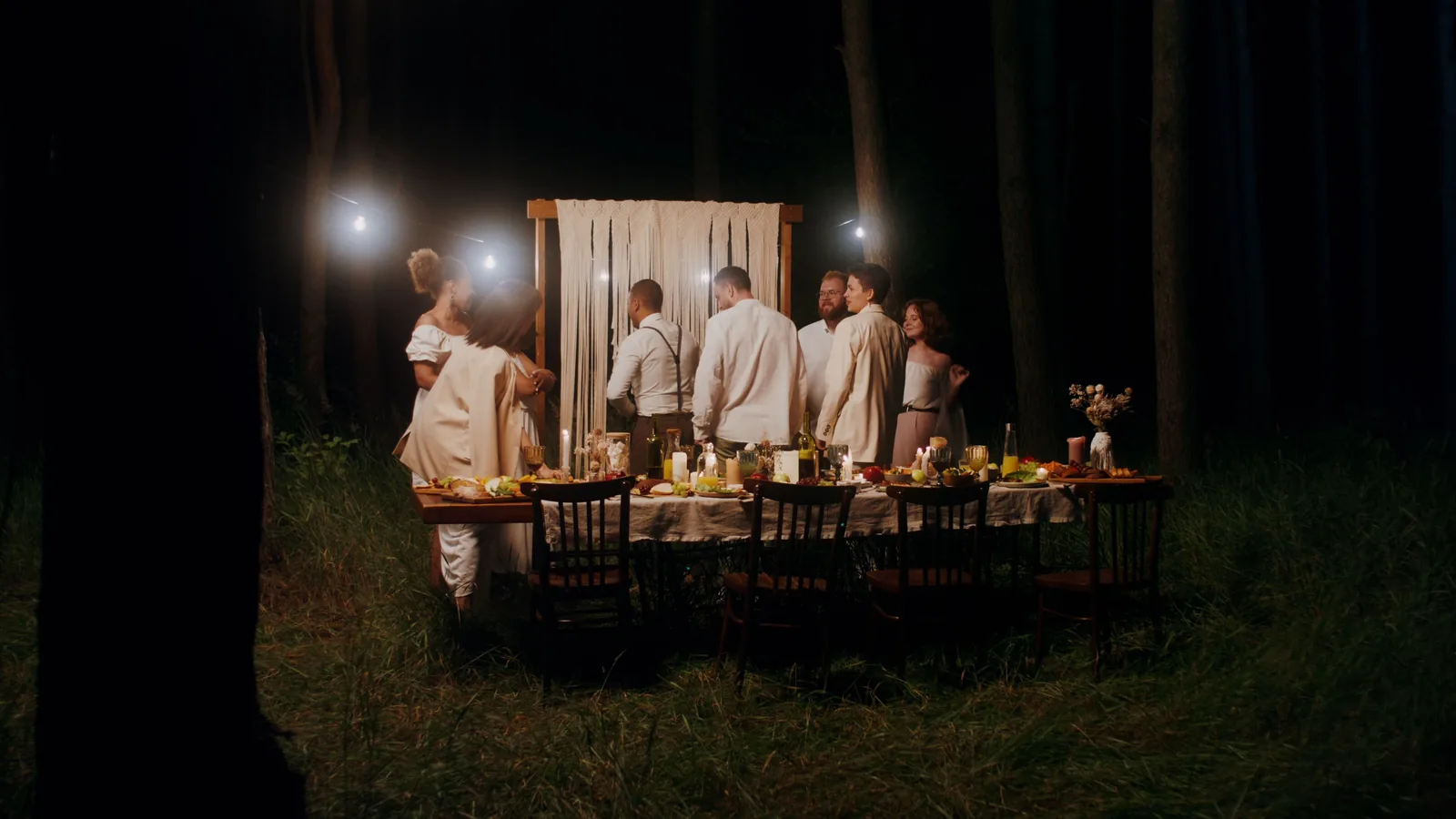
How To Plan A Rehearsal Dinner Menu
Planning a rehearsal dinner menu involves balancing the tastes of your wedding party and close family, accommodating dietary needs, and staying within a budget. A well-thought-out menu sets the tone for the wedding weekend, offering a relaxed and enjoyable meal that brings everyone together. This guide walks you through the essential steps: understanding your guest list, choosing a style, balancing flavors, planning for dietary restrictions, coordinating with the venue, and handling logistics. It also includes advanced tips for personalization and troubleshooting common issues. By following these steps, you can create a memorable and stress-free rehearsal dinner that leaves a lasting positive impression.
Fast Answer
- Start by determining your guest count and any dietary restrictions, then choose a menu style (buffet, plated, family-style) that fits your venue and budget.
- Work closely with your venue or caterer to select dishes that are crowd-pleasers, offer a vegetarian option, and consider seasonal ingredients for freshness and cost-effectiveness.
Before You Start
- Compile the guest list and note any allergies, dietary preferences (vegetarian, vegan, gluten-free), or cultural considerations that could affect menu choices.
- Set a budget for the menu, including food, beverages, service, and gratuity. This will help narrow down menu options and avoid overspending.
- Visit the venue or communicate with the caterer to understand what kitchen facilities are available, what serving styles they support, and any menu restrictions.
- Gather inspiration from cookbooks or online recipes, but keep the menu simple to reduce stress and ensure execution is smooth on the day.
Step-by-Step Instructions
Determine Your Guest Count and Needs
Start by finalizing the list of attendees for the rehearsal dinner. This typically includes the wedding party, immediate family, and possibly out-of-town guests. Once you have the number, you can estimate portion sizes and budget. For each guest, make a note of any food allergies, such as nuts, shellfish, or gluten, and any dietary preferences like vegetarian or vegan. Also consider if any guests observe religious dietary laws, such as kosher or halal. This information is crucial because it directly influences the dishes you can safely serve. For example, if a guest has a severe nut allergy, you might choose to avoid nuts altogether in dishes to prevent cross-contamination. Send a simple email or use a wedding website to ask about dietary restrictions well in advance, giving people time to respond. This ensures no one feels excluded or unsafe during the meal.
Choose a Menu Style That Fits the Setting
Decide on the serving style: plated, buffet, family-style, or food stations. Plated dinners are formal, with a set menu for each guest, which is easier for the kitchen but limits choices. Buffets offer variety and let guests pick what they want, but they require more food to be prepared and can lead to long lines. Family-style involves large platters placed on tables, encouraging sharing and a cozy feel. Food stations, like a taco bar or pasta station, add an interactive element. Consider the venue's layout and the vibe you want. A backyard dinner might suit a buffet, while a country club might prefer plated. Also, factor in cost: buffets can be pricier because you need more food since guests take a bit of everything. Talk to your caterer about which style they recommend for the venue size and your budget. Take a walk-through of the space to picture where tables or stations would go and if there's enough room for lines.
Select a Balanced and Seasonal Menu
Plan your menu to include variety in flavors, colors, and textures. A balanced menu typically has a protein, a starch, vegetables, and a salad. For instance, grilled chicken, roasted potatoes, a green salad, and a vegetable medley. Choose seasonal ingredients because they are fresher, tastier, and often cheaper. For example, in summer, use tomatoes and corn; in fall, use squash and apples. Think about the time of day - a lunch rehearsal dinner can be lighter (cold sandwiches, salads), while an evening event might call for heartier fare. Also, include a vegetarian option that is substantial, not just a side salad. For a meat-focused menu, have a vegan alternative like a vegetable curry or grain bowl. Use herbs and spices to add flavor without extra salt or fat. Ask your caterer for menu ideas based on what's in season locally.
Plan for Dietary Restrictions and Allergies
Review your guest list and create a list of special dietary needs. For each restriction, think of a suitable dish. For gluten intolerance, offer gluten-free bread or a salad without croutons. For vegans, prepare a plant-based entrée like stuffed peppers or a lentil stew. Ensure that dishes are clearly labeled, so guests know what they contain. During the event, have a separate area for allergen-free dishes to avoid cross-contamination. If a guest has a life-threatening allergy, communicate with the venue or caterer directly to ensure they take precautions, such as using separate utensils and cookware. Have a conversation with the head chef about the seriousness of these allergies. And always ask guests to inform you of any changes in their dietary needs closer to the date. You can also consider offering a customizable element, like a baked potato bar, where guests can choose their toppings, which naturally accommodates many diets.
Coordinate with Your Venue and Caterer
Once you have a rough menu, meet with your venue or caterer to finalize details. Share your guest count and dietary restrictions, and ask for their recommendations on dishes that fit your budget and their capabilities. Review the contract to understand what is included: tables, linens, serving staff, and sodas. Inquire about service times and how they handle food allergies. Ask if they can provide a tasting before the event, so you can sample the dishes. If you're using a venue that provides catering, ask about any restrictions on outside food. If you're bringing your own caterer to a venue, confirm the venue's limits on open flames, power supply for chafing dishes, or space for prep. Also, plan a timeline for the meal, from guests arriving to when the food is served. Communicate your schedule to the caterer so they can time the cooking and serving accordingly. Make sure to have a backup plan for weather, especially if it's outdoors.
Finalize the Menu and Logistics
After the meeting, review the proposed menu and make any necessary adjustments. Consider the flow of the event: will appetizers be passed before the meal? Decide on the number of courses and when each is served. Confirm beverage choices - do you need a full bar or just wine and beer? Note if you have any signature cocktails that might complement the menu. Make sure the menu is within your budget; ask for a detailed quote, including taxes and gratuity. Once everything is set, send a final confirmation to the caterer, listing the menu, guest count, dietary needs, and timeline. Also, inform your guests of the menu options ahead of time, maybe by including a link to the menu on your wedding website, so they know what to expect and can plan accordingly. Finally, create a checklist for the day of the dinner: what time to set up, when to greet guests, and who will give the toast. Having a clear plan helps everyone stay calm.
Quick Reference
| Situation | Action | Why it helps |
|---|---|---|
| A guest has a severe nut allergy and you plan to serve a salad with candied walnuts. | Swap the walnuts for sunflower seeds or omit them entirely, and clearly label the dressing as nut-free to avoid cross-contamination. | This eliminates the allergen completely, reducing risk of a serious reaction, and ensures the guest can safely enjoy the meal. |
| Your venue has a limited kitchen and cannot prepare complex plated dishes for a large group. | Opt for a buffet with simple, make-ahead dishes like pulled pork, pasta salads, and grilled vegetables that stay warm in chafing dishes. | This minimizes on-site cooking, speeds up service, and ensures food quality while working within the venue's constraints. |
| Several guests are vegetarian, but the main dish is roast beef. | Request the caterer provide a hearty vegetarian entrée, such as stuffed acorn squash with quinoa, as a plated option for those guests. | This gives vegetarians a substantial meal, showing thoughtfulness, and prevents them from being stuck with just sides. |
Common Issues
- You forgot to ask about dietary restrictions and a guest is gluten-intolerant.: Quickly contact the guest to ask how strict they are and if they have other allergies. Then, ask your caterer to prepare a gluten-free substitution, such as a grilled chicken breast without marinade and a simple salad, and clearly mark it.
- You budgeted for a plated dinner, but the venue only supports buffet service.: Accept the buffet style and adjust the menu to dishes that hold well, like slow-cooked meats and casseroles. Confirm the venue has chafing dishes and enough serving stations to handle the crowd smoothly.
- A guest's dietary plan changes at the last minute, such as becoming vegetarian a day before.: Ask your caterer to have one or two extra vegetarian plates ready, just in case. For the guest, reassure them that they will be accommodated, and offer to order a simple veggie pizza or salad from a local restaurant if needed.
Advanced Tips
- Consider hosting a 'family-style' dinner where large platters are shared, creating a communal atmosphere that encourages conversation and reflects the warmth of the wedding weekend.
- Incorporate a dish that honors your cultural heritage or a family recipe, and ask the chef to prepare it as a special tribute to your upbringing.
- Offer a small 'midnight snack' after the dinner, like a late-night pancake bar or tacos, for guests who want to keep the party going, which is a fun surprise.
Final Checklist
- Survey all guests for allergies and dietary preferences, and compile a clear list to give to the venue or caterer at least two weeks before the event.
- Choose a menu style that fits the venue's layout and your budget, and confirm the final menu with the caterer in writing well in advance.
- Ensure at least one vegetarian and one gluten-free option are available, and label all dishes clearly during the event to prevent confusion.
- Create a detailed timeline for the evening, including when appetizers are served, when the toasts occur, and when the meal ends, and share it with your party and venue staff.
FAQ
How do I handle a guest with a life-threatening food allergy?
Take it seriously. Contact the guest directly to ask about the allergy and discuss with your caterer or venue manager in person. Agree on a safe dish and ensure the kitchen uses separate utensils and cooking surfaces. Label the dish clearly and consider having a separate allergen-free table to avoid cross-contamination. Have an epinephrine auto-injector on hand if appropriate, and inform the staff about the guest's condition.
What is a good menu for a casual rehearsal dinner on a budget?
Consider a taco bar with seasoned ground beef, grilled chicken, and a variety of toppings like lettuce, tomato, cheese, and salsa. Provide tortillas and chips. This is cost-effective, allows guests to customize, and is easily adaptable for vegetarians by offering beans or grilled mushrooms. Serve lemonade and iced tea instead of a full bar to save money. Pair with a simple salad and watermelon slices for a refreshing meal.
Should I have a separate kids' menu at the rehearsal dinner?
It can be helpful. Children often prefer simple foods like chicken tenders, mac and cheese, or pizza. If you have a plated dinner, ask the caterer if they offer a kids' option at a lower cost. For a buffet, ensure there are familiar items like rolls and fruit. Offering a kids' menu keeps them happy and makes the dinner more relaxed for their parents. Always confirm the options with your venue in advance.
