
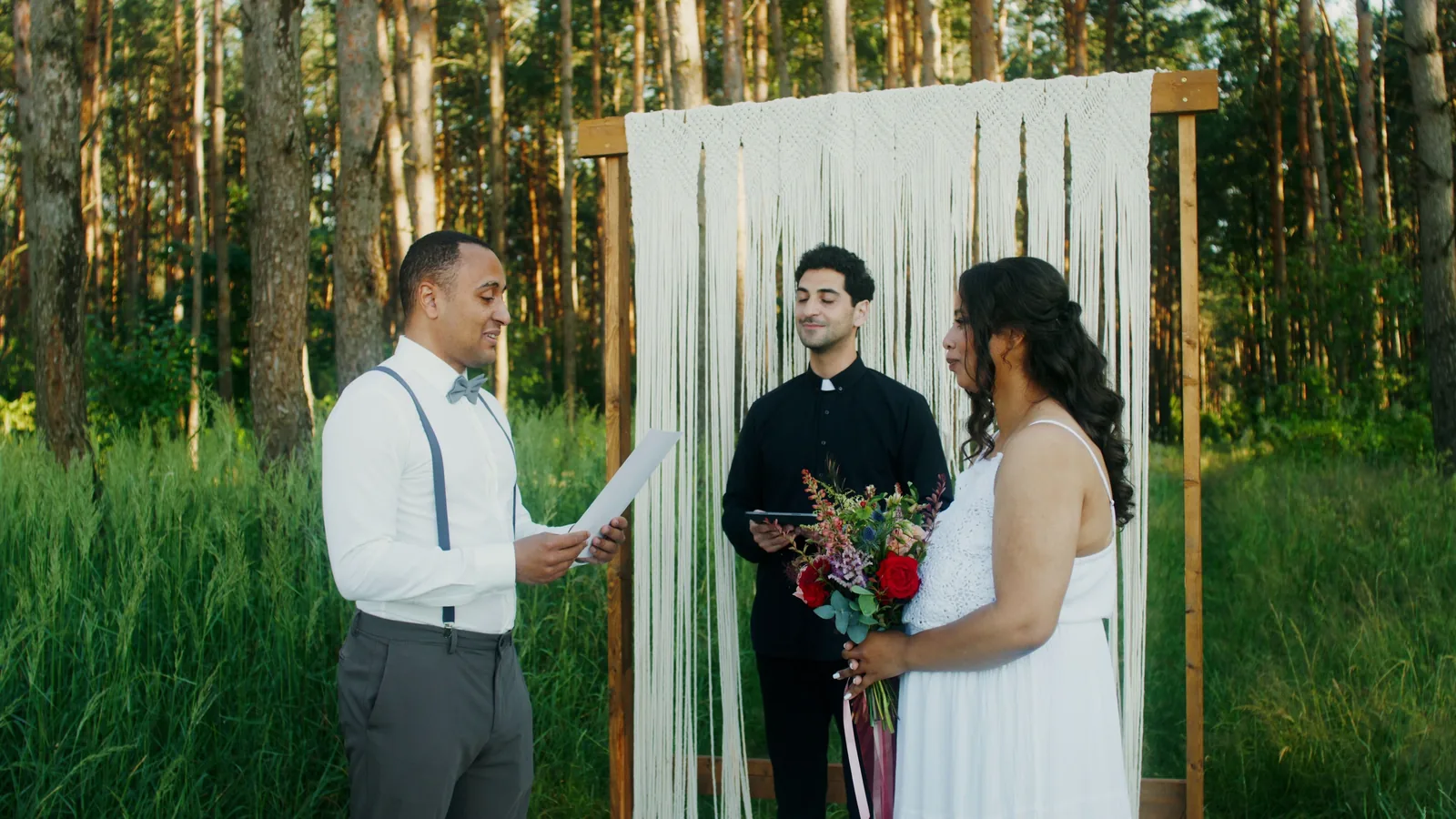
How To Choose Wedding Flowers
Choosing wedding flowers is a joyful task that sets the tone for your entire celebration. This guide helps you navigate the process step by step, from understanding your budget and season to working with a florist and creating arrangements. You'll learn how to choose blooms that reflect your personal style, complement your venue, and stay within your means. We'll cover practical tips like repurposing ceremony flowers for the reception and making eco-friendly choices. By the end, you'll feel confident and organized, ready to create a floral vision that makes your special day memorable and beautiful.
Fast Answer
- Start your flower planning by setting a budget and deciding on the overall style and color scheme for your wedding, then use online galleries and magazines to gather inspiration.
- Visit local florists and share your vision, but stay flexible on specific blooms; choose flowers that are in season for your date to get the best quality and value.
Before You Start
- Set a realistic flower budget for your entire wedding. This should include ceremony décor, bridal party bouquets, reception centerpieces, and any extras like cake flowers or aisle markers.
- Decide on your wedding color palette and overall theme (e.g., romantic, rustic, modern). This will help guide your flower choices and keep everything cohesive.
- Gather inspiration from wedding websites, floral design books, and social media. Save photos of bouquets and centerpieces that appeal to you, noting the specific flowers used.
- Check your wedding date and determine which flowers are in season in your region. You can find seasonal availability charts online or ask friends who are gardeners.
Step-by-Step Instructions
Define Your Wedding Flower Style
Begin your flower journey by defining the overall aesthetic you want for your wedding. Look at your venue, wedding dress, and color palette. Are you aiming for classic elegance with roses and peonies, a rustic feel with wildflowers and greenery, or a modern look with orchids and calla lilies? Create a mood board with images, textures, and colors that appeal to you. This style guide will be your compass when you later talk to florists. It's important to be specific: for example, say 'soft pastel romance' rather than just 'pretty'. By having a clear style, you can communicate effectively and ensure that every floral choice aligns with your vision, making the decision process faster and less stressful.
Set Your Flower Budget
Flowers are a significant part of your wedding budget, typically consuming 8-10% of the total. Before you meet with florists, decide how much you are willing to spend. Allocate amounts for each floral element, such as bridal party bouquets, ceremony décor, and reception centerpieces. Remember to include taxes, delivery, and setup fees. Having a budget in mind helps you narrow choices quickly. When you talk to a florist, state your budget upfront and ask what they can create within that range. They can suggest cost-effective flowers that still match your style. Checking your budget regularly against each quote will prevent surprises and keep your finances on track. Always reserve a small buffer for unexpected additions.
Research Seasonal Flower Availability
For the freshest and most affordable flowers, choose ones that are in season during your wedding month. Seasonal blooms are abundant, so they cost less and look better. If your dream flower is not in season, consider using it in a limited way, like in the bridal bouquet only, and substitute other flowers in less visible places. You can find seasonal charts online or ask your florist. For instance, peonies are spring flowers, so a fall wedding might use dahlias and chrysanthemums instead. Also, think about your venue's climate: tropical flowers like orchids may not fare well outdoors in cool weather. By being flexible and open to alternatives, you can achieve the same look without paying extra.
Choose a Trustworthy Florist
Interview several florists to find one who understands your vision and budget. Ask to see their portfolio and read reviews. During the consultation, describe your style and show your mood board. Ask about their experience with weddings at your specific venue. They should be honest about flower availability and give suggestions. Request a detailed quote that itemizes costs. Check if they have a delivery vehicle and staff for setup. This is important because you need to know they can handle the logistics. Also, ask how they handle contingencies, like a flower not arriving on time. A reliable florist will have backup plans. Your relationship with your florist is crucial, so choose someone you trust and feel comfortable communicating with.
Select and Plan Your Arrangements
Work with your florist to select specific arrangements for your ceremony and reception. For the ceremony, think about the altar, aisle, and pew markers. For the reception, plan centerpieces that match your table settings and height. Do not forget the bridal party bouquet, boutonnieres, and corsages. You can also add flowers to your cake or use them for festive confetti. When choosing, consider the scent: some flowers, like lilies, have a strong fragrance that might be overpowering in small spaces. Also, think about the weight and handle of the bouquet, as you will carry it for a long time. Ask your florist to do a trial arrangement to see if you like the result. A trial helps avoid surprises.
Plan the Delivery and Setup
Arrange for the flowers to be delivered to the right locations at the right times. You will need bouquets delivered to your getting-ready location early enough for photos. Ceremony flowers should arrive at the venue at least two hours before the start time. If you have a gap between ceremony and reception, plan to transport ceremony flowers to the reception. Communicate this with your florist or a designated helper. Make a timeline of when each piece should be delivered and set up. Also, decide how you will preserve flowers after the wedding, like having a friend press a special bouquet. After the event, you may want to donate flowers to a hospital or nursing home, which is a kind gesture.
Quick Reference
| Situation | Action | Why it helps |
|---|---|---|
| You are on a tight budget but want a lush look. | Use greenery and filler flowers like baby's breath, eucalyptus, or ferns to fill out arrangements, and choose a few hero flowers for focal points. | Foliage is far less expensive than blooms, and it adds volume and texture, making arrangements look fuller and more abundant without spending extra. |
| Your wedding has a specific color theme, like blush pink and ivory. | List the exact shades you want (e.g., blush, cream, ivory, peach) and give this list to your florist so they can match flowers and ribbons to your desired palette. | Common names like 'pink' can mean many shades, so giving precise color references prevents mismatches and ensures your floral vision matches your theme. |
| Your wedding is outdoors in hot weather and you worry petals will wilt. | Choose heat-tolerant flowers like sunflowers, dahlias, and zinnias, and ask your florist to use a hydrating foam in arrangements and mist bouquets before the ceremony. | Heat-sensitive flowers like peonies and garden roses droop quickly in high temperatures, so picking tough, summer flowers keeps your wedding photos looking fresh. |
Common Issues
- Some flowers have a strong, sometimes unpleasant scent that can overpower a room or cause allergies.: Ask your florist for scent ratings and choose flowers with mild or no fragrance, like tulips, ranunculus, and most greenery. Avoid lilies and hyacinths if you are concerned.
- The flowers you want are not in season and are very expensive, or they are not available at all on your date.: Ask your florist for the best seasonal alternatives that look similar. For example, if you want peonies in late summer, use garden roses or ranunculus which share a similar full-petal look.
- Minor flower details, like color or size, are not what you envisioned, causing disappointment.: Have a detailed contract that lists every flower, color, and quantity. Also, request a trial arrangement or a 'mock-up' a few weeks before the wedding so you can correct issues early.
Advanced Tips
- Consider using sustainable, locally-grown flowers from a nearby farm. They are often fresher, have a lower carbon footprint, and can be more unique than imported blooms.
- Instead of a single large centerpiece, use small bud vases with different heights and scattered flowers. This creates a modern look and can be less expensive than one massive arrangement.
- For a memorable touch, use a flower that has special meaning to you and your partner, like the flower from your first date or the one your grandmother loved, and tuck it into your bouquet.
Final Checklist
- Decide on a flower budget to allocate 8-10% of your total wedding budget to flowers.
- Create a style and color palette for your wedding and use it to guide flower decisions.
- Research and choose seasonal flowers that are available and affordable for your wedding date.
- Book a florist well in advance (at least 6-8 months) and sign a detailed contract with all specifications.
FAQ
How far in advance should I book my florist?
It's best to book your florist 6-8 months before your wedding, especially if you are getting married in peak season like May or June. Popular florists get booked quickly, so starting early gives you a wider selection and more time to plan.
Can I repurpose ceremony flowers for the reception?
Yes, you can repurpose ceremony flowers to save money. For example, altar arrangements can be moved to the head table, and aisle flowers can be used on the buffet table. You'll need to assign a helper or ask your florist if they can do it for an additional fee.
How can I make my flowers last longer after the wedding?
Keep them in a cool place and mist them with water. You can also hang a bouquet to dry for a keepsake. Some flowers, like roses, can be pressed. Talk to a florist about preservation methods. Hydration is key, so keep stems in water as long as possible.
